Sumerian Astrology

Your Ancient Astrology and Sumerian Language Source

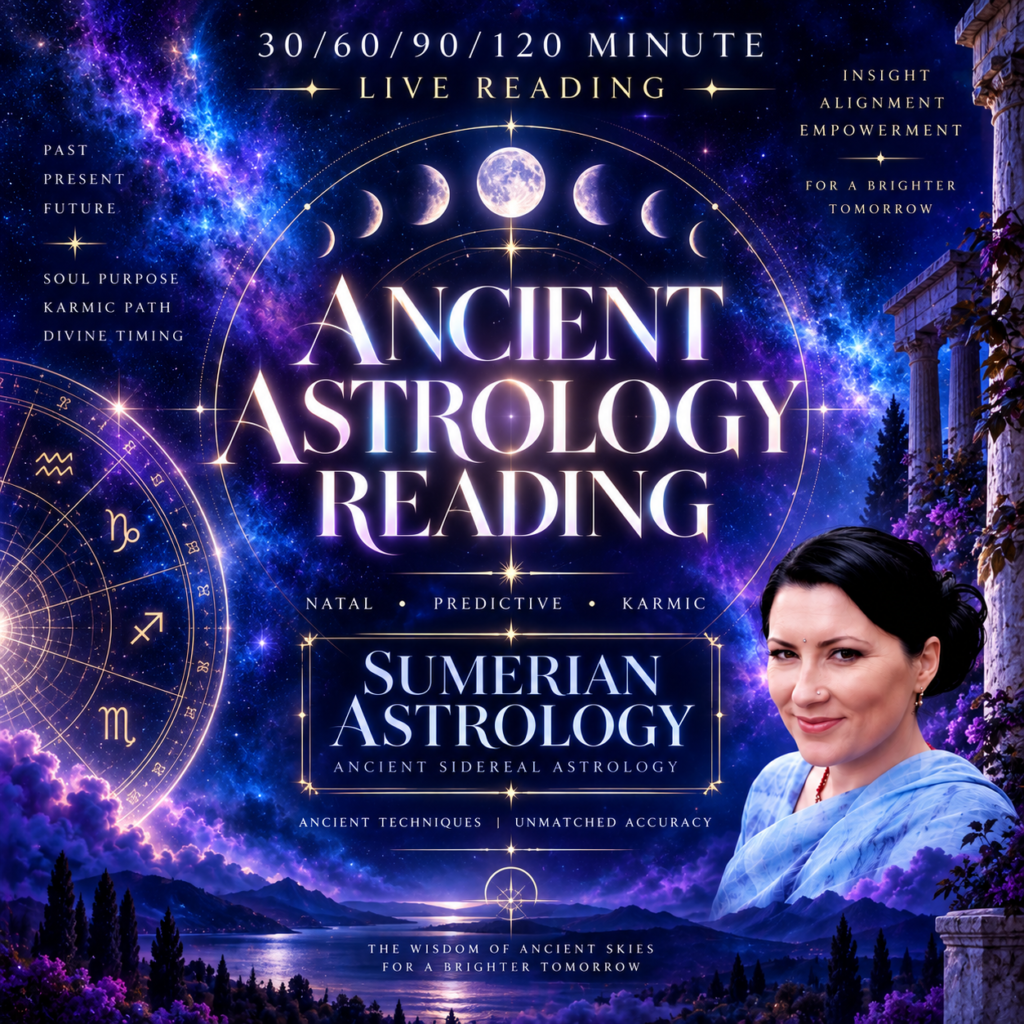
I’m Abbeygale Quinn, independent Sumerologist, writer, and professional astrologer with over twenty-five years of experience. I study and teach the astrology of ancient Mesopotamia, tracing its roots in Sumerian texts and cuneiform sources, and its transformation through Babylonian practice. My work revives the eighteen-constellation Sumerian Zodiac—the earliest known zodiac on earth—and traces its continuity through Babylonian and later sidereal practice. Through my readings, courses, and research, I aim to help others reconnect with the cosmic forces that guide human life and to restore the wisdom of ancient Mesopotamian astrology to its rightful place in the modern world.

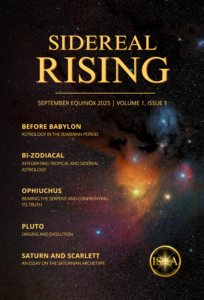
Excerpt From Before Babylon: Astrology In the Sumerian Period

Be aware that common practice is to translate Sumerian into polished poetry or prose, which favors modern grammatical rules, forcing the translator to take necessary liberties, like inserting words that aren’t there, inventing new meanings, and replacing Sumerian phrases with modern idioms. Conversely, my own translations are deliberately literal. While they appear primitive by comparison, they adhere strictly to the original text, which I have provided in both cuneiform and transliteration.

The first major astrological reference can be found in lines 135–140, wherein the Sumerian goddess Nanše (dnanše 𒀭𒀏) interprets a portion of Gudea’s dream, as it relates to the building of his personal god’s temple. She says of the young woman he reports having seen:

𒄀𒁾𒁀𒆬𒉈𒋗𒉈𒂃𒀀

𒁾𒀯𒄭𒂵𒉈𒅅𒆷𒀀

𒀜𒅎𒁕𒄄𒀀

𒎐𒈬𒀭𒊺𒉀𒂵𒉆𒈨𒀀𒀭

𒂍𒀀𒆕𒁀𒀯𒆬𒁀

𒅗𒈠𒊏𒀀𒌤

gi-dub-ba kug ne šu bí-du8-a

dub mul dùg-ga bí-ĝál-la-a

ad im-da-gi4-a

nin9-ĝu10 dnisaba ga-nam me-àm

é-a dù-ba mul kug-ba

gù ma-ra-a-dé

Who held a stylus of pure silver;

Tablet of good/auspicious stars, which was placed therein,

With which to advise.

Moreover, she is my sister, Nisaba.

Of the building of this temple, the pure/holy/shining stars,

She will tell you.

Considering the word mul 𒀯 can mean star, constellation, or planet, dub mul dùg-ga 𒁾𒀯𒄭𒂵 actually translate as, “tablet of good/auspicious stars, constellations, and/or planets,” which is a perfect description of later Babylonian astrological texts. For all we know, Nisaba held an early version of the MUL.APIN 𒀯𒀳 (Plow Star) (c. 1000 BCE). It’s worth noting that the story does not describe the invention of celestial augury, nor would it. Hemerological texts, such as Day that Eats Its Bread (UD.KA.DU7.A 𒌓𒅗𒌌𒀀), which details auspicious days for particular activities, not unlike the modern Farmer’s Almanac, were in regular use during the period.

While some assert Nisaba (dnisaba 𒀭𒊺𒉀) was merely a goddess of grain, accounting, and scribes, her temple was called é mul-mul 𒂍𒀯𒀯—literally, “star/constellation house/temple,” which sounds like a place where regular celestial observation and divination might be performed.

Scroll to Top
Sumerian Astrology
Privacy Overview

This website uses cookies so that we can provide you with the best user experience possible. Cookie information is stored in your browser and performs functions such as recognising you when you return to our website and helping our team to understand which sections of the website you find most interesting and useful.